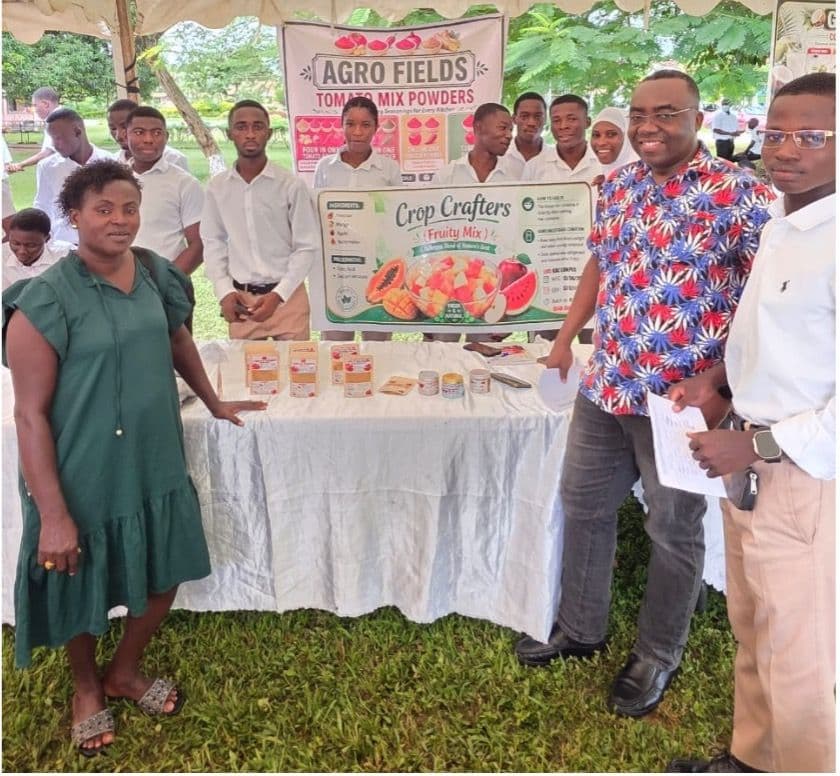
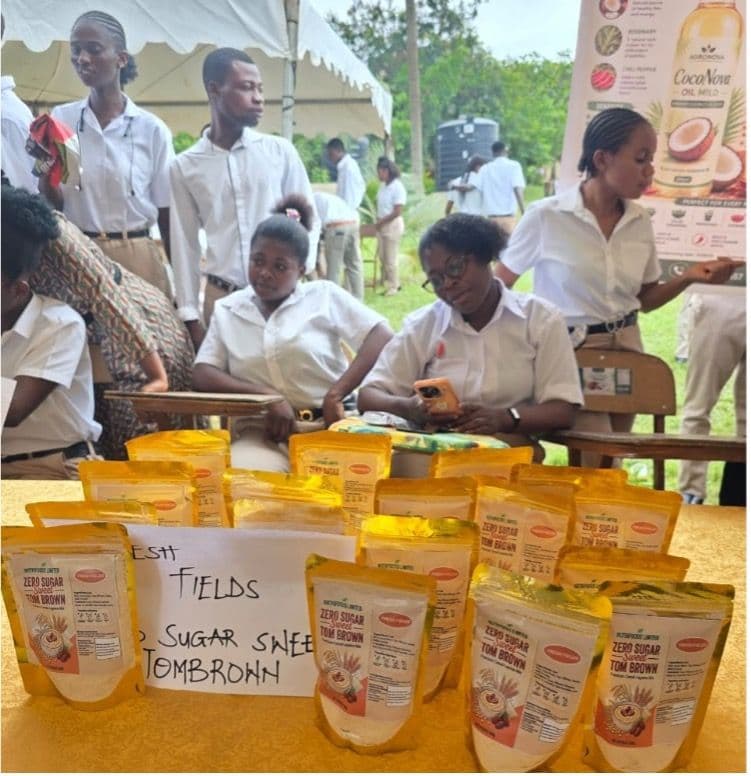
From Ideas to Enterprises: Over 340 Agricultural Students Transform Innovative Business Concepts into Market-Ready Ventures through the A-TVET Connect Ghana and VET Ghana Projects.
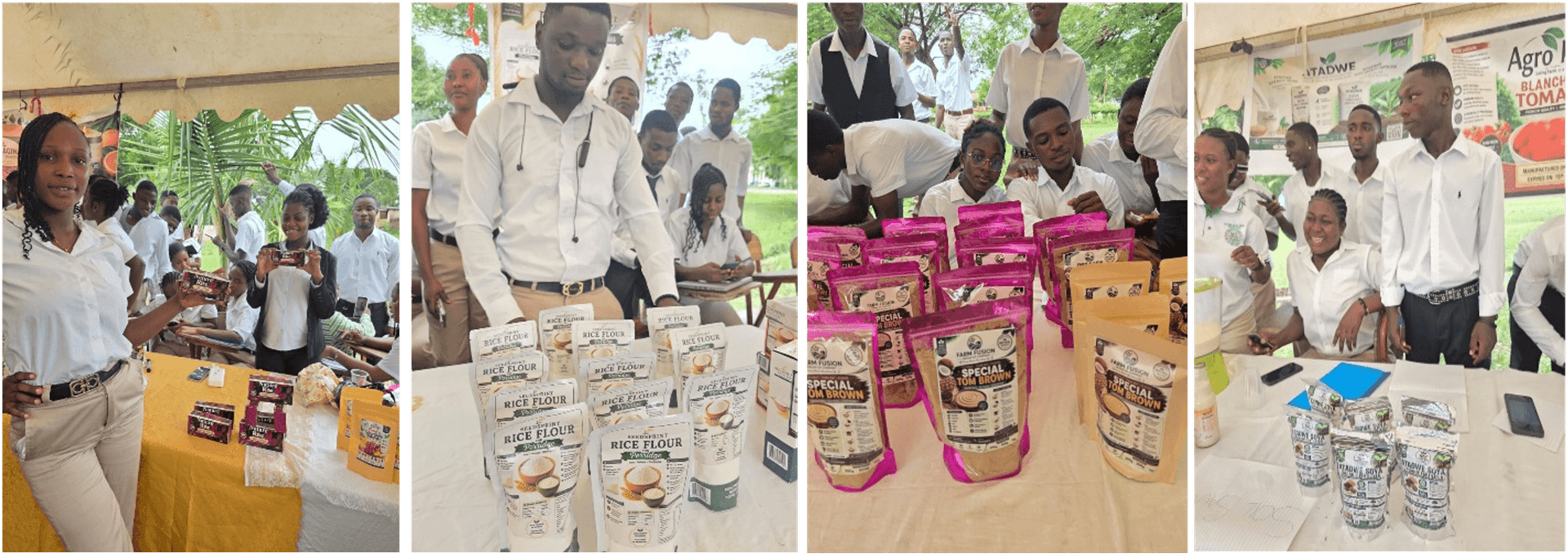
A Four-Month Journey of Innovation, Entrepreneurship and Practical Learning

Innovation, entrepreneurship and practical skills are increasingly becoming the foundation of modern Agricultural Technical and Vocational Education and Training (ATVET). Between March and June 2026, more than 340 students of Kwadaso Agricultural College embarked on an intensive entrepreneurship and business incubation journey that culminated in the successful development, implementation and exhibition of market-ready agribusiness products. The initiative formed a major milestone under the EU Erasmus+ CB VET Ghana and the ATVET Connect Ghana (ATCG) projects, currently under implementation. The collaboration exemplifies how development partners can leverage complementarities between projects with shared objectives to maximize impact, avoid duplication of efforts and create sustainable opportunities for Agricultural TVET students. The activities directly contributed to the implementation of Work Packages 2, 3 and 4 of the ATCG Project, while also advancing the entrepreneurship and employability objectives of the VET Ghana Project.
Implemented by CINOP Ghana, in collaboration with Bunash Enterprise and Farms (BE&F), KNUST, and other consortium partners, the initiative reflects a shared commitment to producing graduates who are not only technically competent but also capable of creating sustainable businesses and employment opportunities within Ghana's agricultural sector.
A Collaborative Approach that Maximised Impact
The entrepreneurship programme was deliberately designed as a joint intervention between the ATCG Project and the VET Ghana Project, recognising that both initiatives share a common vision of strengthening Agricultural TVET through innovation, entrepreneurship, work-based learning and stronger engagement with industry. Rather than implementing parallel activities, the two projects pooled expertise, training resources and institutional support to provide students with a richer learning experience. This collaborative approach demonstrates the value of coordinated development programming, where complementary initiatives reinforce one another to deliver greater outcomes for students, institutions and the agricultural sector. The result was a comprehensive entrepreneurship programme that combined technical knowledge with practical business development, industry engagement and experiential learning.
Four Months of Experiential Entrepreneurship Training
From March to June 2026, students participated in a carefully structured entrepreneurship incubation process that moved progressively from business ideation to commercial product development.
To encourage diversity, teamwork and inclusive leadership, the more than 340 participating students were organised into mixed-gender groups of between six and ten members, allowing male and female students to work together in designing, planning and implementing innovative agribusiness ventures.
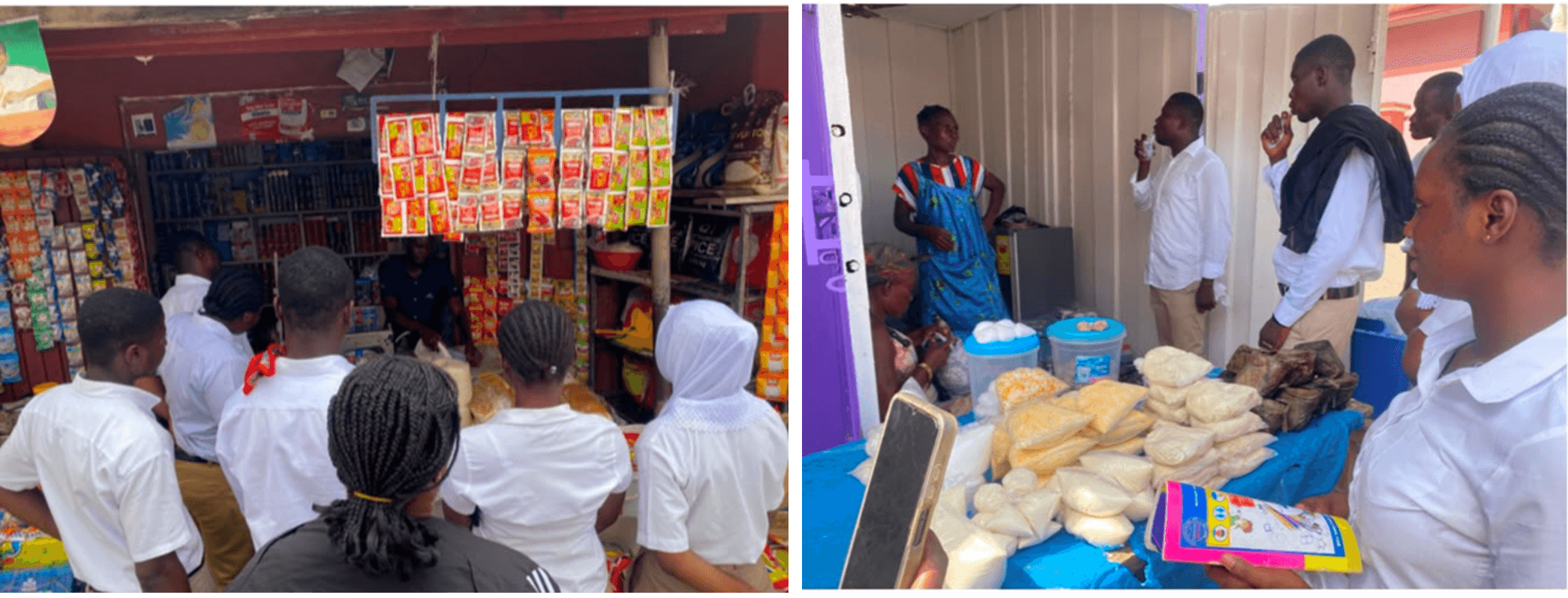
Throughout the four-month journey, each group was guided through five interconnected stages that mirrored the real-life process of establishing a successful enterprise.
1. Business Concept Development and Idea Generation: The journey began with intensive brainstorming sessions where students identified pressing challenges and untapped opportunities within Ghana's agricultural value chains. Using creativity, design thinking and market opportunity analysis, students developed innovative business concepts covering areas such as:
- • Food processing and value addition
- • Crop and livestock enterprises
- • Organic products
- • Climate-smart agriculture
- • Agricultural technologies
- • Agro-input services
- • Sustainable packaging
Rather than focusing solely on production, students were encouraged to develop enterprises capable of generating employment, improving livelihoods and contributing to food security.
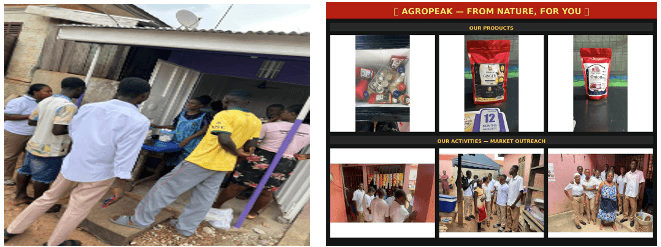
2. Market Survey and Customer Discovery:
Students then moved beyond the classroom to validate their ideas through real market research. Each group conducted field market surveys by engaging farmers, traders, retailers, consumers and agribusinesses to better understand customer needs, market trends and purchasing behaviour. This stage enabled students to:
- • Assess market demand;
- • Identify competitors;
- • Understand customer preferences;
- • Determine pricing strategies;
- • Validate product concepts using real evidence;
- • Refine business ideas based on market feedback.
The experience exposed students to one of entrepreneurship's most important lessons—successful businesses begin with understanding customers.
3. Developing Comprehensive Business Plans
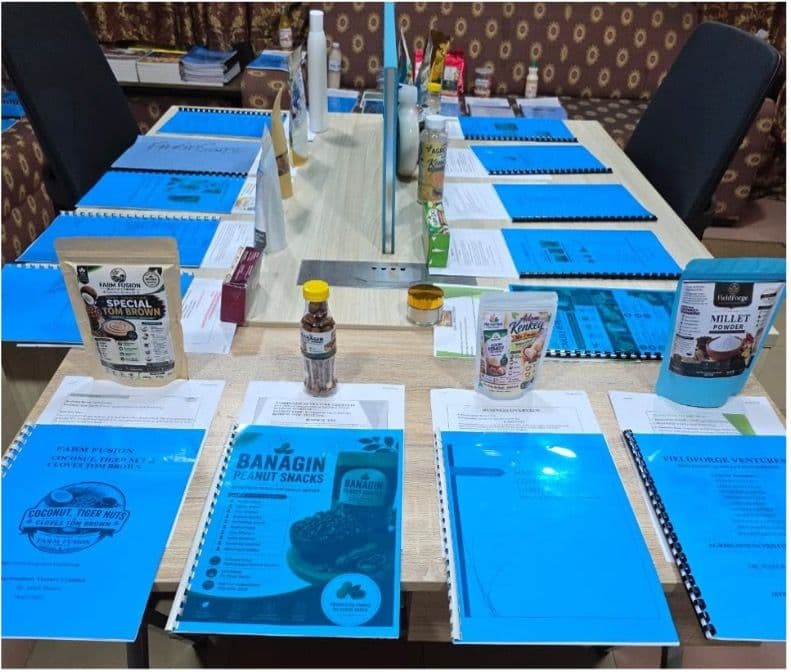
Armed with market intelligence, student groups prepared comprehensive business plans that translated their ideas into practical investment proposals. Each business plan included:
- • Executive summary;
- • Business description;
- • Market analysis;
- • Production plan;
- • Marketing strategy;
- • Financial projections;
- • Risk analysis;
- • Sustainability strategy.
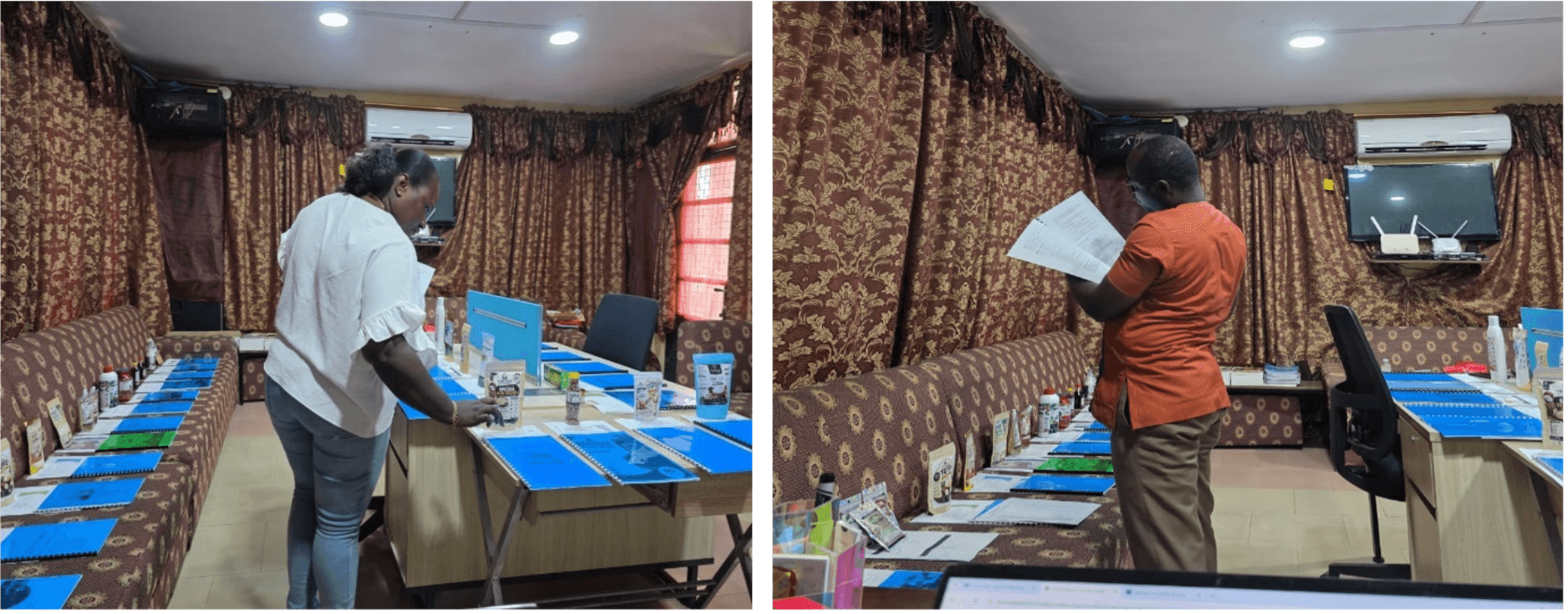 Facilitators from both projects provided continuous coaching while encouraging independent thinking and decision-making.
4. Business Plan Implementation
Unlike conventional classroom exercises, the programme required students to implement their business plans.
Student groups sourced raw materials, produced actual products, designed packaging, developed branding, calculated production costs and tested product quality under real business conditions.
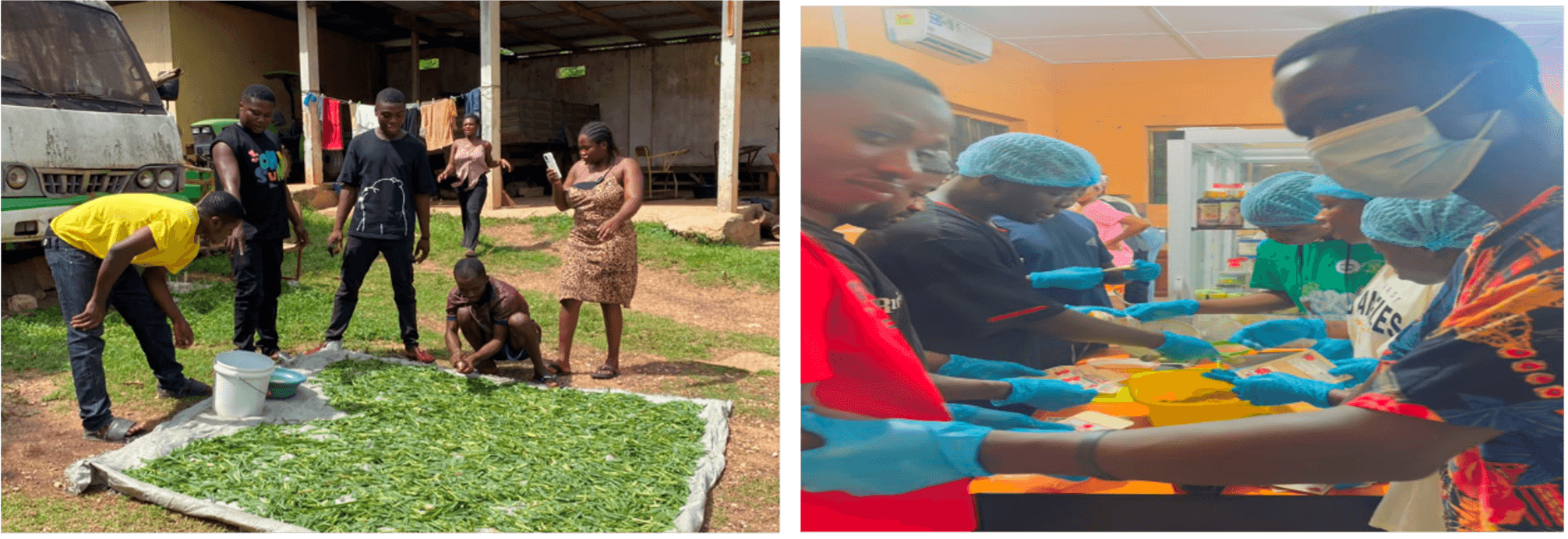 This implementation phase transformed entrepreneurship from theory into practice, allowing students to experience both the opportunities and challenges associated with running a business.
5. Product Exhibition and Business Pitch Competition
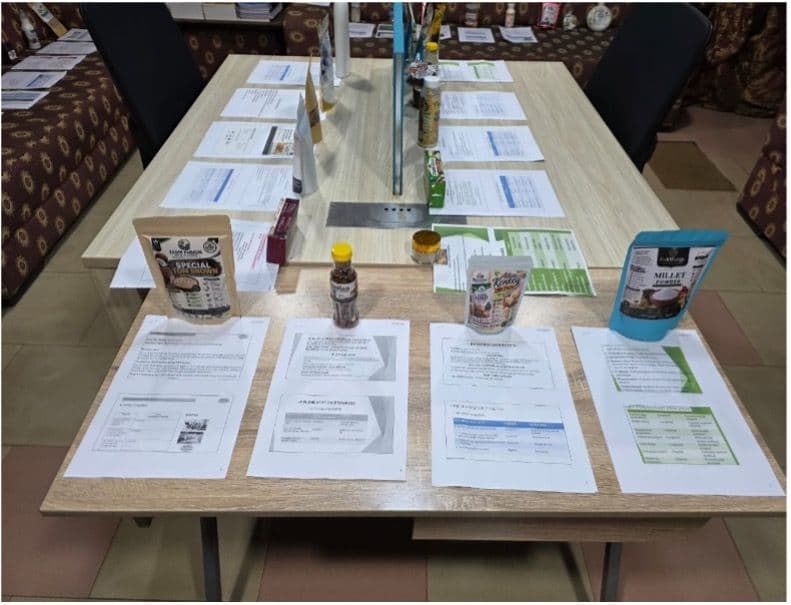
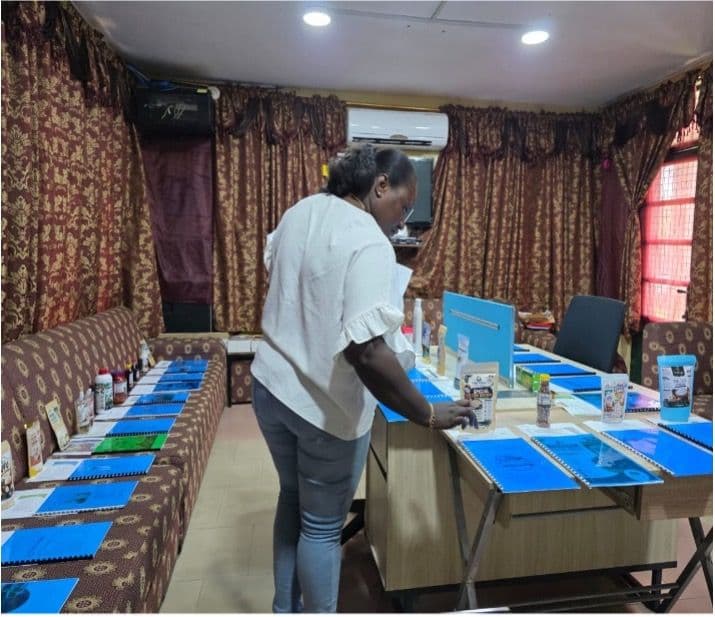
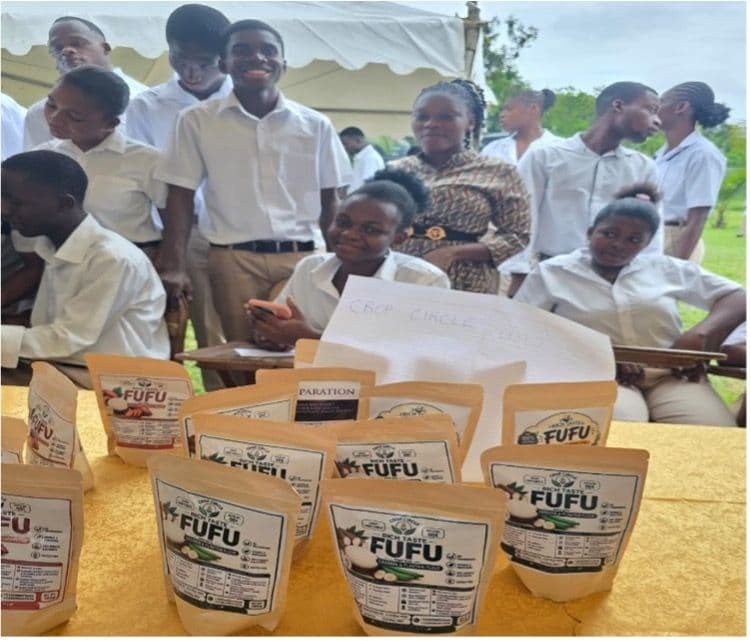
The entrepreneurship journey reached its exciting climax on 15 June 2026, when Kwadaso Agricultural College hosted the Product Exhibition and Business Pitch Competition. The event transformed the College into a vibrant marketplace of innovation where student groups proudly showcased the products they had developed over the previous four months. The exhibition demonstrated not only the creativity of the students but also the effectiveness of competency-based learning and practical entrepreneurship education.
Industry Experts Bring the Marketplace into the Classroom
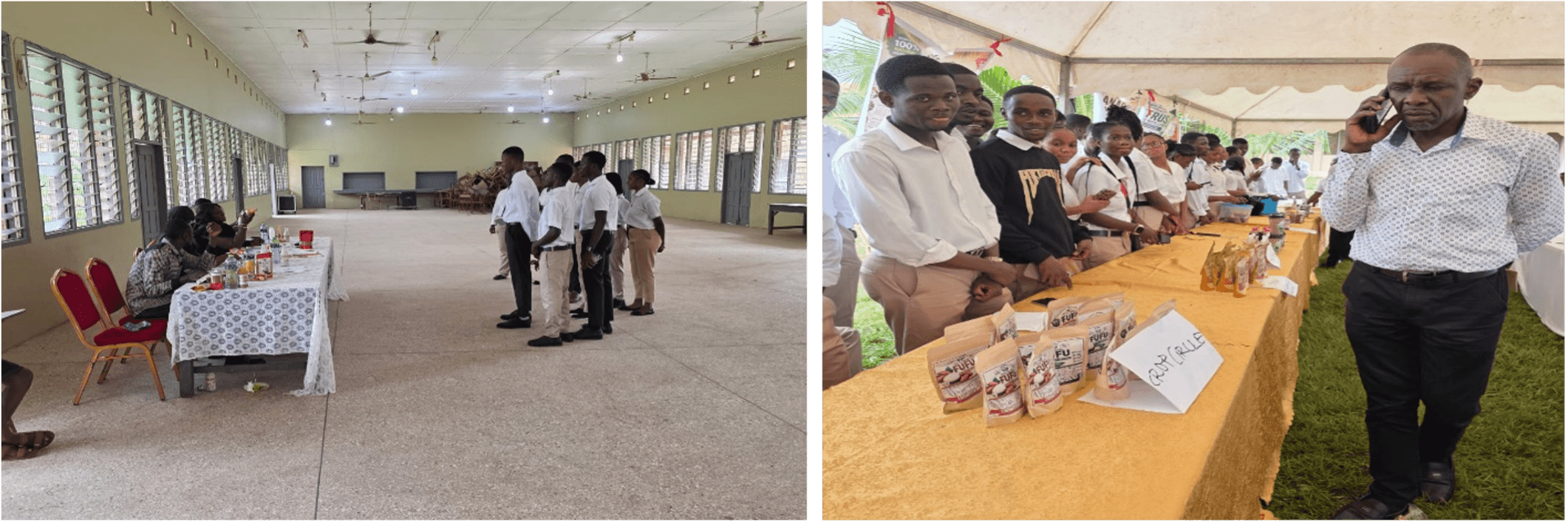 One of the defining highlights of the event was the participation of distinguished representatives from the private sector.
Leading agribusiness entrepreneurs, business development practitioners, agricultural professionals and industry representatives were invited to serve as judges and provide professional feedback on the student enterprises.
Each team presented its business through a formal business pitch before the panel, explaining:
One of the defining highlights of the event was the participation of distinguished representatives from the private sector.
Leading agribusiness entrepreneurs, business development practitioners, agricultural professionals and industry representatives were invited to serve as judges and provide professional feedback on the student enterprises.
Each team presented its business through a formal business pitch before the panel, explaining:
- • the business opportunity;
- • the problem being solved;
- • product uniqueness;
- • market potential;
- • financial viability;
- • growth strategy; and
- • sustainability prospects.
The judges assessed each enterprise based on:
- • Innovation
- • Product quality
- • Market relevance
- • Commercial viability
- • Branding and packaging
- • Financial feasibility
- • Presentation skills
- • Team collaboration
- • Scalability
- • Potential social and environmental impact
More importantly, the industry experts provided valuable mentorship, constructive recommendations and practical insights that challenged students to improve their products and business models for future commercialisation. The interaction created a powerful bridge between academia and industry—one of the central objectives of both the ATCG and VET Ghana Projects.
Building Future Agripreneurs Rather Than Job Seekers
Beyond producing innovative products, the programme developed a wide range of employability and entrepreneurial competencies that today's labour market increasingly demands. Students strengthened their skills in:
- • Leadership
- • Teamwork
- • Creativity
- • Problem solving
- • Critical thinking
- • Business planning
- • Financial management
- • Communication
- • Public speaking
- • Negotiation
- • Customer engagement
- • Marketing
- • Product development
- • Business pitching
By the end of the programme, students had gained confidence not only in their technical agricultural knowledge but also in their ability to identify business opportunities and transform them into viable enterprises.
Promoting Inclusion and Gender Equality
The deliberate use of mixed-gender teams reflected the shared commitment of both projects to promoting gender equality and inclusive participation in entrepreneurship. Female students actively participated in leadership, business development, product innovation and pitching, demonstrating that entrepreneurship flourishes when diverse talents and perspectives are brought together.
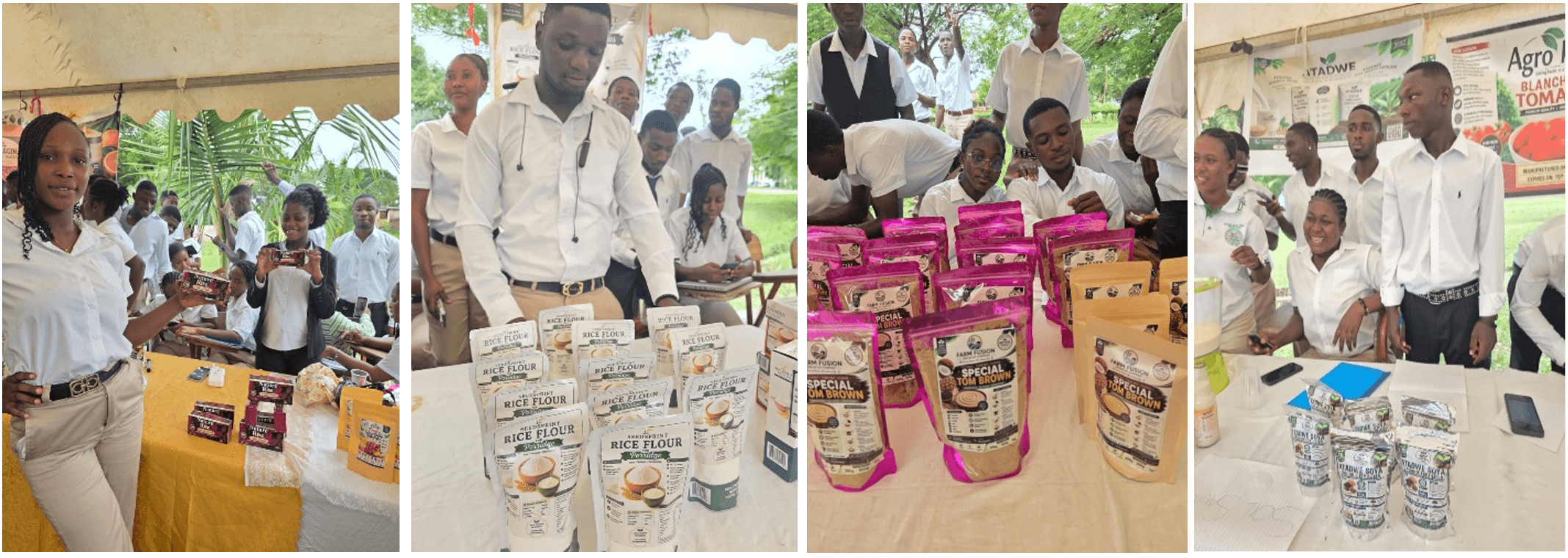
This approach aligns with the broader ambition of the A-TVET Connect Ghana Project to improve opportunities for women and vulnerable groups within Ghana's agricultural sector while ensuring equal participation in entrepreneurship and employment.
Demonstrating the Power of Project Complementarity
The successful implementation of this initiative highlights the importance of collaboration among development programmes with common objectives. By combining the strengths of the A-TVET Connect Ghana Project and the VET Ghana Project, students benefited from enhanced technical support, entrepreneurship coaching, industry engagement and practical learning opportunities that neither project could have delivered as effectively in isolation. This coordinated approach not only optimised resources but also strengthened institutional collaboration and reinforced the shared vision of creating a more responsive, demand-driven Agricultural TVET system in Ghana.
Looking Ahead
The Product Exhibition and Business Pitch Competition on 15 June 2026 marked the conclusion of four months of intensive learning—but it also signalled the beginning of many entrepreneurial journeys. Several of the business concepts displayed during the exhibition possess significant commercial potential and will continue to benefit from mentorship, networking and incubation support through the Employment and Incubation Centre (EIC) established under the ATCG Project, as well as the Career Development Center (CDC) being established by the CB VET Ghana projects respectively. As Ghana continues to prioritise youth employment, agribusiness development and food systems transformation, initiatives such as this demonstrate how practical, competency-based entrepreneurship education can equip young people with the confidence, skills and entrepreneurial mindset required to become innovators, employers and catalysts for national development. For the more than 340 students who participated, the journey from March to June 2026 was far more than an academic exercise. It was an opportunity to transform ideas into products, products into businesses, and classroom learning into real-world impact, laying the foundation for a new generation of agripreneurs who are ready to shape the future of Ghana's agriculture.